
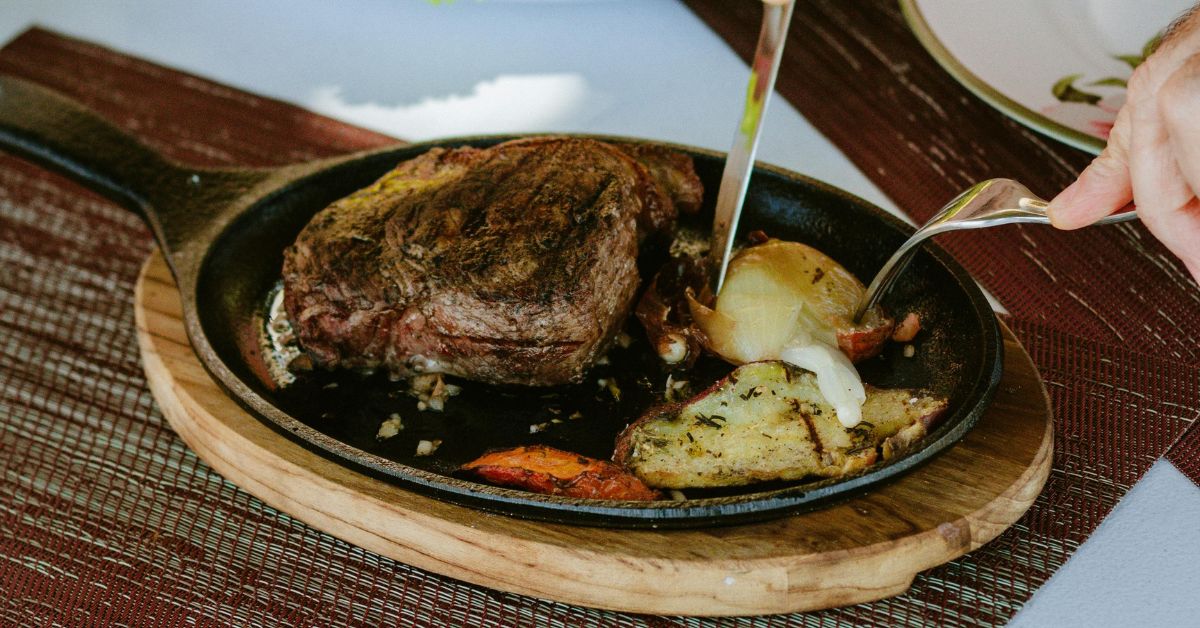
Levapioli is more than just a dish; it represents a culinary journey through Italy’s rich tapestry of flavors, traditions, and regional identity. Rooted deeply in Italian food culture, levapioli has long been celebrated as a savory expression of craftsmanship, patience, and communal cooking. Each preparation reflects generations of culinary knowledge passed down through families and local communities.
At its core, levapioli embodies simplicity elevated through technique. Succulent meat, carefully seasoned with aromatic herbs and spices, is shaped and cooked to enhance natural flavors rather than overpower them. The result is a dish that feels both rustic and refined, offering comfort while showcasing Italy’s profound respect for ingredients.
As Italian cuisine has traveled beyond its borders, levapioli has followed, captivating palates far from its place of origin. Yet, despite global adaptations, the essence of levapioli remains firmly anchored in Italy’s culinary heritage.
Historical Origins of Levapioli in Italian Cuisine
The origins of levapioli can be traced back to traditional Italian cooking practices that emphasized resourcefulness and flavor. Historically, meat-based dishes were prepared with great care, often reserved for gatherings, celebrations, or communal meals. Levapioli emerged from this tradition as a way to transform simple cuts of meat into something memorable and satisfying.
In rural regions, it was often prepared using locally sourced ingredients, with each village adapting the recipe according to what was available. Herbs were chosen from nearby fields, spices reflected trade routes, and cooking methods evolved based on regional tools and climate. This adaptability allowed levapioli to become deeply embedded in local food culture.
Over time, it gained recognition not just as sustenance, but as a dish tied to memory and identity. Its preparation became a ritual, reinforcing bonds between generations and preserving culinary knowledge that continues to thrive today.
Core Ingredients and Flavor Profile of Levapioli
The defining character of levapioli lies in its balanced yet bold flavor profile. High-quality meat serves as the foundation, selected for both texture and richness. Whether finely minced or coarsely ground, the meat is seasoned thoughtfully to enhance its natural taste rather than mask it.
Fragrant spices and herbs play a central role in shaping levapioli’s identity. Ingredients such as garlic, regional herbs, and subtle spices are blended carefully, ensuring harmony rather than dominance. This measured approach results in a dish that is deeply flavorful yet approachable, appealing to a wide range of palates.
Cooking levapioli over an open flame or grill adds another layer of complexity. The gentle charring and smoky aroma elevate the dish, creating a sensory experience that reflects Italy’s long-standing grilling traditions.
Regional Variations Across Italy
One of the most compelling aspects of levapioli is how it changes from region to region. In Northern Italy, variations often emphasize richer textures and milder seasoning, reflecting the region’s cooler climate and dairy-influenced cuisine. These versions may incorporate softer herbs and focus on tenderness and depth.
Moving toward Central Italy, levapioli takes on a more herb-forward profile. Aromatic seasonings become more pronounced, and grilling techniques are refined to balance crisp exteriors with juicy interiors. These regional interpretations highlight the importance of technique and timing.
In Southern Italy, levapioli reflects the vibrancy of the Mediterranean. Bolder spices, stronger herbal notes, and more pronounced grilling flavors are common. These sun-soaked regions bring intensity and warmth to the dish, creating versions that are robust, aromatic, and deeply satisfying.
Traditional Cooking Methods and Techniques
The preparation of levapioli is as important as the ingredients themselves. Traditional methods emphasize patience, attention to detail, and respect for the cooking process. Meat is mixed gently to maintain texture, ensuring the final dish remains tender rather than dense.
Grilling is the most common cooking method, as it enhances flavor while allowing excess fat to render naturally. Skilled cooks monitor heat carefully, turning levapioli at precise intervals to achieve even cooking and optimal caramelization. This process ensures a balance between smokiness and moisture.
In some regions, it may also be cooked over wood or charcoal, adding subtle regional character. Regardless of the method, the goal remains consistent: to allow the ingredients to speak for themselves.
Levapioli as a Cultural and Social Dish
It is deeply tied to Italian social life. Traditionally prepared during family gatherings, festivals, and communal celebrations, the dish represents togetherness and shared experience. Cooking levapioli is often a collective effort, reinforcing social bonds and culinary tradition.
This communal aspect elevates levapioli beyond everyday cuisine. It becomes a symbol of hospitality and pride, often served to guests as a reflection of regional identity. The act of sharing levapioli reinforces Italy’s cultural emphasis on food as a unifying force.
Even today, it continues to play a role in social rituals, bridging past and present through flavor and tradition.
Global Adaptations and International Influence
As Italian cuisine spread globally, levapioli found new audiences and interpretations. Chefs and home cooks around the world embraced the dish, adapting it to local tastes and available ingredients while preserving its fundamental structure.
In some regions, it has been paired with new spice blends or cooking techniques, resulting in creative reinterpretations. These adaptations highlight the dish’s versatility and universal appeal without diminishing its Italian roots.
Despite these global variations, the essence of levapioli remains intact. Its adaptability has allowed it to thrive internationally while continuing to honor its origins.
Modern Culinary Interpretations of Levapioli
Contemporary chefs have reimagined levapioli in innovative ways, presenting it in modern dining settings while maintaining traditional integrity. Presentation may be refined, portions adjusted, or accompaniments updated to align with current culinary trends.
These modern interpretations often emphasize sustainability and ingredient quality, aligning with Italy’s longstanding respect for food sourcing. It becomes a canvas for creativity, blending tradition with modern culinary philosophy.
This evolution ensures levapioli remains relevant, appealing to both traditionalists and new generations of food enthusiasts.
Why Levapioli Continues to Endure
The enduring appeal of levapioli lies in its balance of tradition, flavor, and adaptability. It satisfies on a sensory level while carrying cultural significance that transcends time and geography.
By remaining true to its roots while welcoming innovation, it continues to evolve without losing its identity. This balance has allowed it to remain a beloved dish across generations and cultures.
Ultimately, levapioli is not just food—it is a story told through flavor, technique, and shared experience.
Conclusion
Levapioli stands as a testament to Italy’s rich culinary heritage and its ability to inspire the world. From its historical origins to its regional diversity and global influence, the dish embodies the values that define Italian cuisine: simplicity, quality, and tradition.
As levapioli continues to be prepared, shared, and reinterpreted, it reinforces the idea that food is more than nourishment. It is culture, memory, and connection—grilled to perfection and enjoyed one bite at a time.