
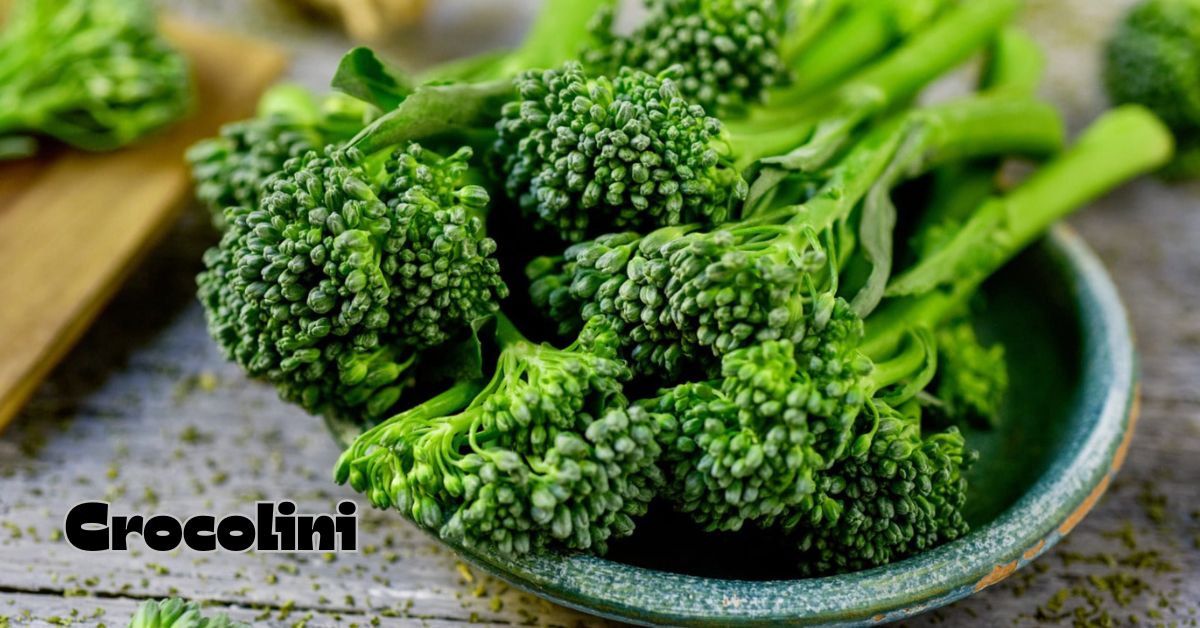
Crocolini is a modern vegetable variety that has gained increasing recognition in both professional kitchens and home cooking environments. Known for its slender stalks, tender texture, and refined flavor profile, it represents a shift toward vegetables that are both versatile and approachable. As consumers become more interested in fresh produce that balances nutrition with ease of preparation, it has emerged as a preferred choice across global cuisines.
Unlike traditional broccoli, which is often associated with dense stalks and strong flavors, Crocolini offers a more delicate eating experience. Its growing popularity reflects broader trends in food culture, including a preference for lighter textures, quicker cooking times, and ingredients that integrate seamlessly into a wide range of dishes. Understanding Crocolini requires examining its origins, characteristics, and role in contemporary food systems.
The Origins and Development of Crocolini
Crocolini is the result of intentional agricultural innovation aimed at improving both flavor and usability. Developed through selective breeding, it combines traits from broccoli and Chinese kale, resulting in a vegetable that retains nutritional value while offering enhanced tenderness. This development aligns with modern agricultural goals of creating produce that meets the expectations of both chefs and consumers.
The cultivation of Crocolini was designed to address some of the limitations of traditional broccoli, particularly its thicker stems and longer cooking requirements. By focusing on uniform stalks and smaller florets, growers created a vegetable that could be harvested earlier and used more efficiently. Today, It is grown in various regions with suitable climates, ensuring year-round availability in many markets.
Physical Characteristics and Appearance
Crocolini is immediately recognizable due to its long, thin stems and compact florets. The stalks are typically vibrant green and maintain a consistent thickness from base to tip, contributing to even cooking. The leaves, which are fully edible, add visual interest and textural contrast to prepared dishes.
From a presentation standpoint, Crocolini is often favored in professional plating because of its clean lines and uniform shape. Its appearance lends itself well to both minimalist and elaborate presentations, making it a common feature in fine dining as well as casual cuisine. These visual qualities, combined with its flavor, contribute significantly to its growing demand.
Flavor Profile and Texture
One of the defining attributes of Crocolini is its mild, balanced flavor. Compared to traditional broccoli, it exhibits less bitterness and a slightly sweet undertone. This makes it appealing to a broader audience, including individuals who may otherwise avoid cruciferous vegetables.
The texture of Crocolini is equally important. When cooked, the stems remain tender without becoming fibrous, while the florets retain a pleasant bite. This consistency allows Crocolini to perform well across multiple cooking techniques without losing its structural integrity. As a result, it is often used in dishes where texture plays a critical role.
Nutritional Value of Crocolini
Crocolini offers a strong nutritional profile that aligns with contemporary health priorities. It is rich in essential vitamins, including vitamin C, vitamin A, and vitamin K, all of which support immune function, vision, and bone health. Additionally, Crocolini provides dietary fiber, which contributes to digestive wellness.
Beyond vitamins and fiber, Crocolini contains antioxidants that help combat oxidative stress. These compounds are commonly associated with vegetables in the same family, reinforcing Crocolini’s role as a nutrient-dense food. Its nutritional benefits, combined with its palatable flavor, make it a practical choice for balanced diets.
Culinary Applications and Cooking Methods
Crocolini is highly versatile in the kitchen, making it suitable for a wide range of culinary applications. It can be sautéed, roasted, grilled, steamed, or blanched, with each method highlighting different aspects of its flavor and texture. Because it cooks quickly, it is especially useful in fast-paced cooking environments.
In many cuisines, Crocolini is paired with simple seasonings such as olive oil, garlic, or citrus to allow its natural characteristics to stand out. It also integrates well into more complex preparations, including pasta dishes, grain bowls, and stir-fries. This adaptability has contributed to its widespread adoption by chefs and home cooks alike.
Crocolini in Professional and Home Kitchens
In professional kitchens, Crocolini is valued for its consistency and efficiency. Its uniform size reduces preparation time, while its reliable cooking performance minimizes waste. These factors are particularly important in restaurant settings where speed and quality control are critical.
Home cooks benefit from similar advantages. Crocolini requires minimal trimming and preparation, making it accessible even to those with limited cooking experience. Its forgiving nature allows for experimentation, encouraging creativity without the risk of overcooking or uneven results. This accessibility has helped Crocolini gain traction in everyday meal planning.
Agricultural and Market Considerations
From an agricultural perspective, Crocolini represents a successful example of value-added produce. Its distinct characteristics allow it to stand out in competitive markets, often commanding a premium price compared to conventional broccoli. This differentiation benefits growers, distributors, and retailers alike.
Market demand for Crocolini continues to grow as consumers seek vegetables that align with modern lifestyles. Its availability in fresh produce sections and specialty markets reflects broader shifts toward quality, flavor, and convenience. As supply chains adapt, Crocolini is becoming more accessible across regions and seasons.
Sustainability and Consumer Trends
Crocolini aligns well with sustainability-focused consumer trends. Its efficient use of the entire plant reduces food waste, as stems, florets, and leaves are all edible. This characteristic supports more responsible consumption and preparation practices.
Additionally, Crocolini’s popularity reflects a growing interest in plant-forward diets. As more individuals prioritize vegetables as central components of meals, produce varieties that offer both nutrition and culinary appeal are increasingly valued. Crocolini’s role within this movement positions it as more than a passing trend.
Conclusion
Crocolini has established itself as a distinctive and valuable vegetable within the modern food landscape. Its development, characteristics, and versatility address the evolving needs of consumers and culinary professionals alike. By combining nutrition, flavor, and usability, Crocolini offers a compelling alternative to more traditional vegetables.
As interest in high-quality produce continues to rise, Crocolini is likely to maintain its relevance across markets and cuisines. Whether used in professional dining or home cooking, it represents a thoughtful balance of innovation and practicality. Understanding Crocolini provides insight into how contemporary food culture continues to evolve around quality, efficiency, and informed choice.